
Summer heat puts immense stress on home cooling systems, especially when you have an older system. When your air conditioner is brand new, scheduling an annual tune-up feels like a smart investment to protect that warranty. But the calculation changes as your system ages. Once an AC unit passes the 10 or 15-year mark, homeowners often face a difficult financial dilemma.
Should you continue pouring money into maintenance for a machine nearing the end of its life, or is it better to save that cash for a replacement? It is a common question without a single “yes” or “no” answer. The decision depends on the specific condition of your unit, the type of refrigerant it uses, and your long-term housing plans.
Neglecting an older system can lead to sudden, catastrophic failure during a heatwave, but over-servicing a dying unit is essentially throwing money away. This guide examines the financial and practical realities of maintaining older AC systems to help you decide when to tune it up and when to let it go.
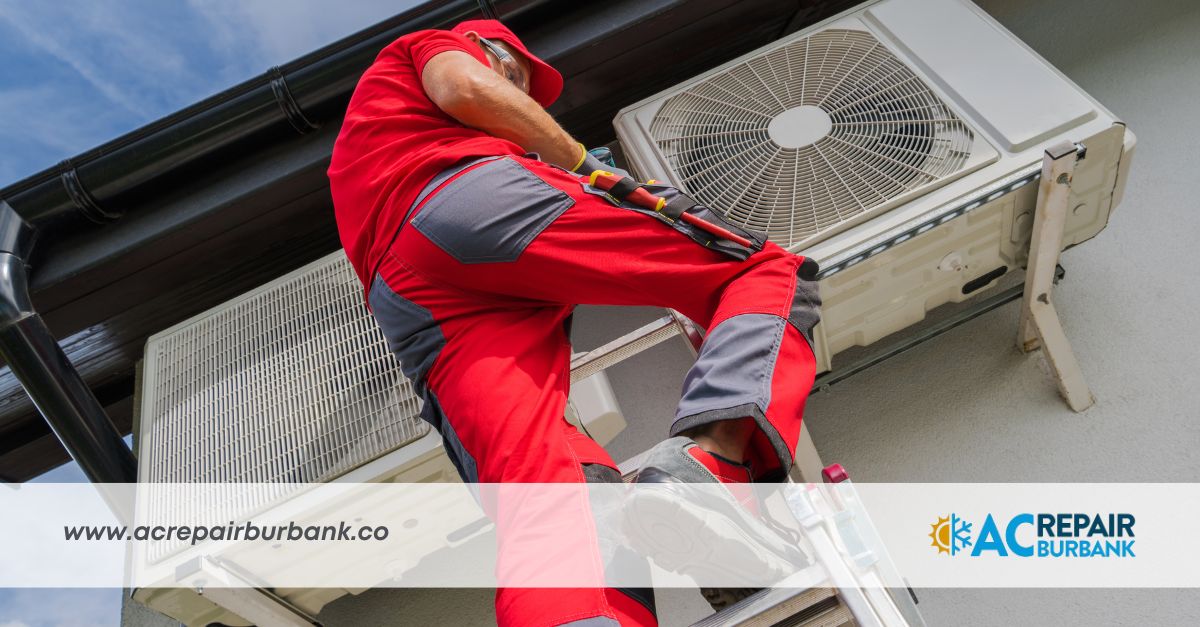
The Case for Maintaining an Aging Unit
Contrary to popular belief, older units often need maintenance more than newer ones. As parts wear down and coils accumulate grime, the system has to work harder to produce the same amount of cooling. Regular attention can mitigate the natural decline in efficiency that comes with age.
Restoring Lost Efficiency
Over time, an air conditioner loses its SEER (Seasonal Energy Efficiency Ratio) rating. Dust builds up on the evaporator coil, and the blower motor struggles against increased friction. This forces the unit to run longer cycles to reach the set temperature on your thermostat. A professional tune-up involves cleaning these coils, lubricating moving parts, and checking electrical connections.
For an older system, this “reset” can significantly lower monthly utility bills. If a tune-up costs $150 but saves you $30 a month during a long summer because the system runs more efficiently, the maintenance pays for itself quickly.
Catching Small Problems Early
Old systems are prone to vibration-related issues. Wires loosen, and refrigerant lines can develop hairline cracks. During a maintenance visit, a technician tightens electrical connections and checks for minor leaks.
Replacing a worn capacitor (a cheap part) during a routine check is far less expensive than replacing a compressor that burned out because that capacitor failed. Maintenance acts as an insurance policy against expensive emergency repairs.
The R-22 Refrigerant Factor
One of the biggest variables in deciding whether to maintain an older unit is the type of refrigerant it uses. Systems manufactured before 2010 likely use R-22, commonly known as Freon. The EPA has phased out the production and import of R-22 due to environmental concerns.
If your older system has a refrigerant leak, the cost to recharge it can be astronomical because the supply of R-22 is limited to dwindling stockpiles.
If your maintenance check reveals a refrigerant leak in an R-22 system, standard maintenance is no longer worth it. The cost of the repair and recharge will likely approach the cost of a down payment on a new, modern system. However, if the system is holding pressure and just needs a cleaning, maintenance remains a viable option.
When to Stop Maintenance: The $5,000 Rule
HVAC professionals often use a simple formula to help homeowners decide if a repair or maintenance plan is fiscally responsible. It is called the $5,000 rule.
Multiply the age of your equipment by the estimated repair or maintenance cost. If the total exceeds $5,000, replace the unit. If it is less, repair or maintain it.
Example 1:
You have a 12-year-old unit. It needs a $200 tune-up and minor repair.
12 x 200 = 2,400.
Verdict: Maintain the unit.
Example 2:
You have a 15-year-old unit. It needs a $600 compressor valve repair.
15 x 600 = 9,000.
Verdict: Replace the unit.
This rule accounts for the diminishing returns of investing in aging machinery. As the unit gets older, the threshold for what constitutes a “reasonable” expense drops.
The Safety Argument
Efficiency and money aside, safety is a critical reason to have a professional look at an older system. Aging electrical components are a fire hazard. Worn wire insulation can lead to short circuits. Furthermore, if you have a gas furnace integrated with your AC system (a common setup), a maintenance check is vital to ensure the heat exchanger is not cracked, which could leak carbon monoxide.
Regardless of whether you plan to replace the unit next year, ensuring it operates safely today is a priority.
Frequently Asked Questions
Is an annual tune-up strictly necessary for a 15-year-old AC?
While manufacturers recommend annual service, some homeowners with very old systems skip a year if the unit is running well. However, because older parts are more likely to fail, annual checks are the best way to prevent a mid-summer breakdown.
Can I do the maintenance myself?
You can perform basic tasks like changing the air filter and clearing debris from around the outdoor condenser unit. However, checking refrigerant levels, testing electrical amperage, and cleaning internal coils requires professional tools and expertise.
Does maintenance actually extend the life of the AC?
Yes. By reducing the strain on the compressor and fan motor (through cleaning and lubrication), the mechanical components do not have to work as hard. Less stress generally equates to a longer mechanical lifespan.
My older AC works fine but my energy bills are high. Will maintenance help?
Likely, yes. High bills often indicate the system is dirty or low on refrigerant. A thorough cleaning of the condenser and evaporator coils allows for better heat transfer, meaning the AC runs for shorter periods to cool the house.
Making the Final Call
Deciding to maintain an older air conditioner is a balance of risk and reward. If your unit has been reliable, uses a modern refrigerant (R-410A), and simply needs a cleaning to keep costs down, maintenance is a wise investment. It buys you time to save for a replacement and keeps your home comfortable.
However, if your system relies on obsolete R-22 Freon, has required multiple repairs in the last two years, or struggles to keep the house cool even after a tune-up, the money spent on maintenance is better utilized toward a new, high-efficiency installation.