
Poor indoor air quality can trigger a host of physical symptoms that mimic the common cold or seasonal allergies. You might find yourself sneezing, coughing, or dealing with unexplained fatigue without realizing your home’s ventilation system is the actual culprit. These microscopic irritants build up over time when a house lacks proper airflow.
Understanding the warning signs of compromised indoor air is the first step toward a healthier home environment. Once you know what to look for, you can take action to clear the air, eliminate pollutants, and breathe easier every single day.
Common Culprits Behind Poor Indoor Air
Before identifying the physical symptoms, it helps to know what actually pollutes your indoor air and affects overall indoor air quality. Several everyday items and conditions contribute to a toxic home environment.
Dust Mites and Pet Dander
Even the cleanest homes harbor dust mites. These microscopic bugs thrive in warm, humid environments and settle into carpets, bedding, and upholstery. If you have pets, their dander adds another layer of allergens to the mix. As your heating and cooling systems run, they circulate these particles throughout every room.
Mold and Mildew Spores
Moisture is the enemy of clean air. Bathrooms, basements, and kitchens frequently experience high humidity levels, creating the perfect breeding ground for mold. Mold spores travel easily through the air and can cause severe respiratory distress when inhaled regularly.
Volatile Organic Compounds (VOCs)
Many household cleaning supplies, paints, and even new furniture release volatile organic compounds into the air. These chemicals evaporate at room temperature and linger in enclosed spaces. Prolonged exposure to VOCs can cause both short-term irritation and long-term health complications.
Physical Symptoms of Indoor Air Pollution
Your body will usually tell you when something is wrong with your environment. Pay close attention to these recurring physical signs.
Respiratory Issues and Coughing
A persistent cough, wheezing, or shortness of breath are primary indicators of poor air quality. If your symptoms magically clear up when you leave the house and return the moment you step back inside, airborne irritants are likely the cause.
Chronic Headaches and Dizziness
Frequent headaches that have no obvious medical explanation often stem from inhaling VOCs or excessive carbon dioxide. Poorly ventilated homes trap these gases inside. Dizziness and nausea can also occur if the pollutant concentration becomes high enough.
Unexplained Fatigue
Feeling constantly drained or lethargic might be linked to the air you breathe. When your body works overtime to fight off airborne allergens and toxins, your energy levels plummet. Improving your home’s ventilation often leads to deeper sleep and more energetic mornings.
How to Improve Your Home’s Air Quality
Taking proactive steps can drastically reduce indoor air pollution and protect your family’s health.
Change your air filters regularly. A clogged filter forces your HVAC system to work harder and allows dust to bypass the trap. Upgrading to high-efficiency particulate air (HEPA) filters will capture a higher percentage of microscopic pollutants.
Control the humidity levels in your home. Use dehumidifiers in damp areas like basements, and always run exhaust fans while showering or cooking. Keeping indoor humidity below 50 percent makes it difficult for mold and dust mites to survive.
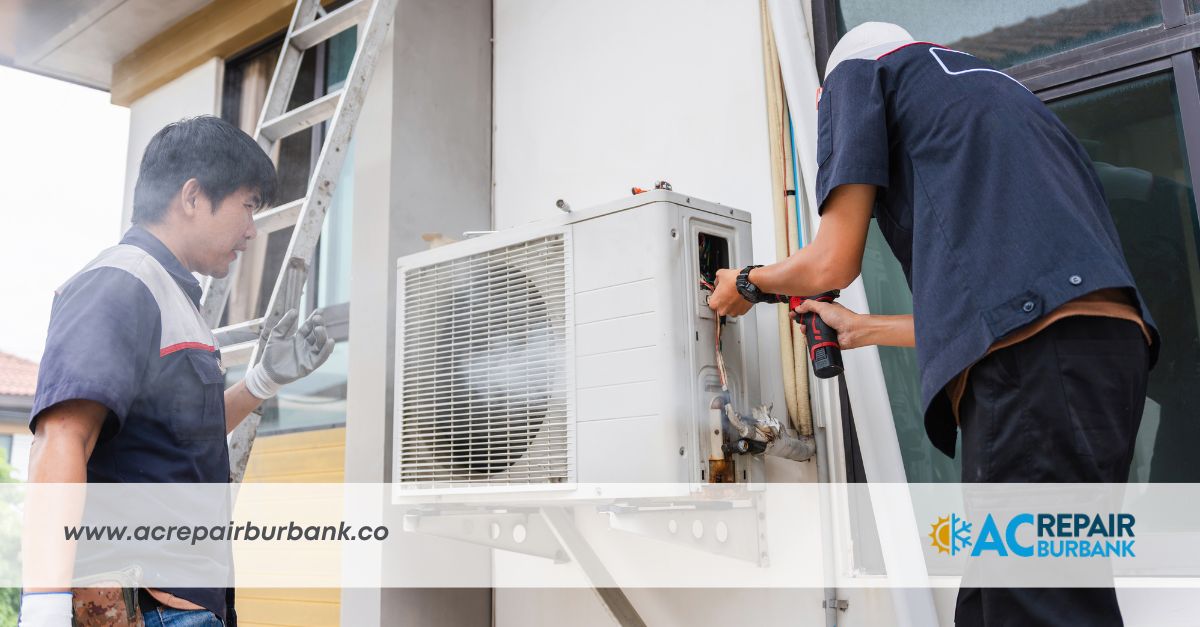
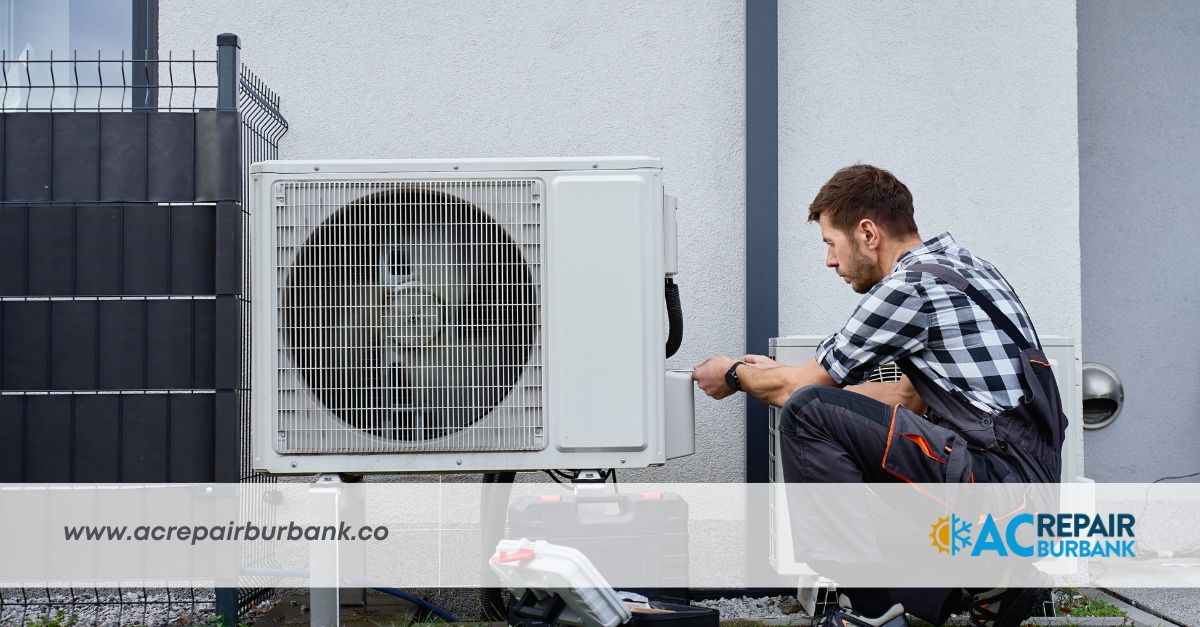
Finally, schedule regular maintenance for your heating and cooling equipment. A clean, well-maintained system operates efficiently and keeps your air fresh. Here at AC Repair Burbank, our HVAC technicians have more than five years of working experience with HVAC installation, repairs, and systems. We know exactly how to optimize your equipment for maximum air purity.
Frequently Asked Questions About Indoor Air
How often should I change my HVAC filters?
Most manufacturers recommend changing standard filters every 30 to 90 days. If you have multiple pets or live in an area with high dust levels, you should check and replace them monthly.
Can indoor plants really purify the air?
Yes, certain indoor plants like spider plants and peace lilies can absorb minor amounts of toxins. However, they are not a replacement for proper ventilation and a well-maintained HVAC system.
How do I know if I have a mold problem?
Musty odors are usually the first sign of hidden mold. You might also notice dark spots on walls, ceilings, or around window frames. If you suspect mold inside your ductwork, a professional inspection is highly recommended.
Take Control of Your Home’s Air Quality Today
Breathing clean air is essential for a healthy, vibrant life. You do not have to live with constant sneezing, headaches, or fatigue caused by invisible indoor pollutants. By changing your filters, managing home humidity, and staying on top of equipment maintenance, you can transform your house back into a safe haven.
If you suspect your heating and cooling system is contributing to poor air quality, professional help is just a phone call away. Contact AC Repair Burbank to schedule an inspection. Our experienced technicians will evaluate your HVAC system, recommend effective solutions, and ensure your home’s air is clean, safe, and comfortable.