
Many homeowners schedule annual maintenance without knowing exactly what the technician does behind the scenes. Understanding the tune-up process helps you see the value of this annual service for your air conditioning system. This guide explains the specific steps professionals take to prepare your cooling system, how these actions improve energy efficiency, and why regular maintenance ultimately keeps more money in your wallet.
Why Spring is the Ideal Time for Maintenance
Scheduling your cooling system checkup during the spring months provides several distinct advantages. Technicians have more availability before the frantic summer rush begins. If your system requires significant repairs or replacement parts, you have plenty of time to address these issues before the sweltering heat hits your home.
Running a poorly maintained system during the first heatwave can lead to sudden breakdowns. Preventive maintenance catches minor wear and tear early. This proactive approach ensures your home remains consistently comfortable from the first warm day of spring through the lingering heat of late summer.
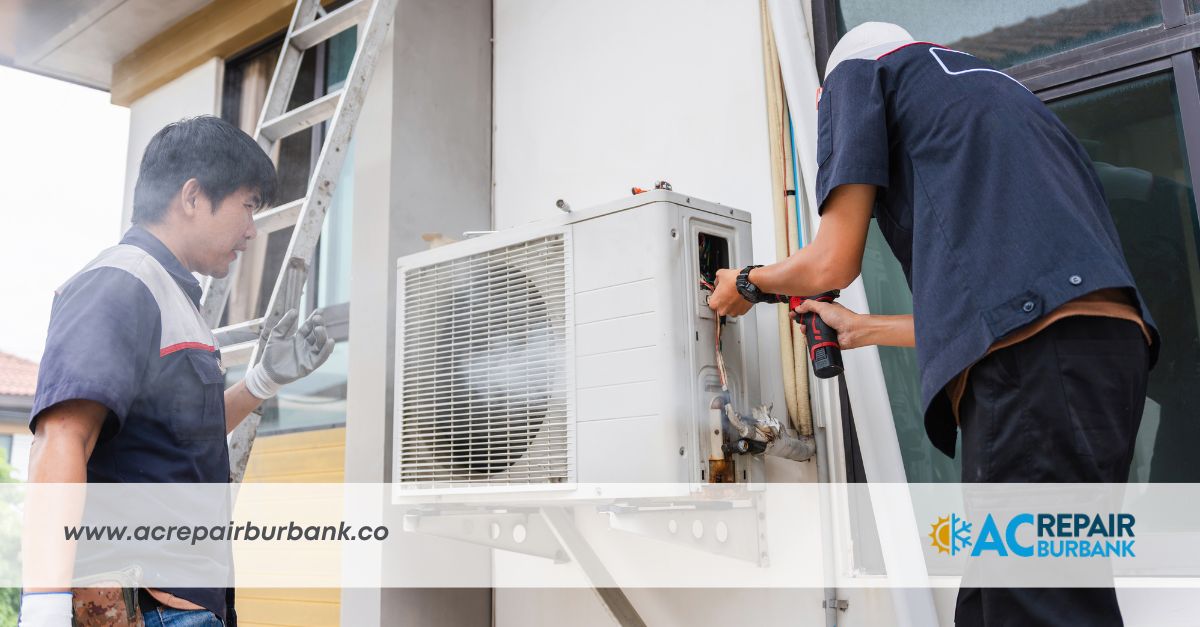
The Step-by-Step Spring AC Tune-Up Process
A comprehensive maintenance visit covers every vital component of your cooling system. Technicians follow a detailed checklist to restore your air conditioner to peak performance.
Inspecting and Replacing Air Filters
Clean airflow is critical for system efficiency. Technicians check your system’s air filters to see if they are clogged with dust, pet dander, or pollen. A dirty filter forces your air conditioner to work harder to push air through your home. Replacing or cleaning these filters immediately improves air quality and reduces energy consumption.
Cleaning the Evaporator and Condenser Coils
Your air conditioner’s coils collect dirt over time. This layer of grime acts as an insulator, preventing the coils from effectively absorbing and releasing heat. During a tune-up, professionals carefully clean both the indoor evaporator coil and the outdoor condenser coil. This allows the system to cool your home faster and use less electricity.
Checking Refrigerant Levels
An air conditioner needs the exact right amount of refrigerant to operate properly. If the level is too low, the system likely has a leak. Technicians measure the refrigerant charge to ensure it meets the manufacturer’s precise specifications. If they detect a shortage, they will locate the leak, repair the line, and safely recharge the system.
Calibrating the Thermostat
Your thermostat serves as the brain of your climate control system. The technician will test the thermostat to ensure it accurately reads the indoor temperature and communicates properly with the air conditioner. Proper calibration prevents the system from running longer than necessary.
Evaluating Electrical Components
Loose electrical connections pose a safety hazard and can significantly reduce the lifespan of major components. The maintenance process includes tightening all electrical connections and measuring the voltage and current on motors. Technicians also inspect the contactors and relays for signs of unusual wear.
Clearing the Condensate Drain
Air conditioners remove moisture from the air as they cool your home. This condensation drips into a pan and flows out through a drain line. Algae and mold can easily clog this line, causing water to back up and potentially damage your home. Professionals flush the condensate drain to ensure moisture flows away from your system safely.
How Regular Maintenance Benefits Your Wallet
Paying for an annual tune-up might seem like an extra expense, but it functions as an investment in your home. A well-maintained air conditioning system uses significantly less electricity to cool the same amount of square footage. This translates directly into lower monthly utility bills.
Furthermore, routine checkups extend the overall lifespan of your HVAC equipment. Catching a frayed wire or a failing capacitor early prevents catastrophic damage to the compressor. Replacing a small part during a scheduled visit costs a fraction of what you would pay for emergency repairs or a complete system replacement.

Frequently Asked Questions About AC Tune-Ups
How long does a standard tune-up take?
A professional AC tune-up typically takes between one and two hours to complete. The exact duration depends on the size of your system, its current condition, and how long it has been since its last servicing.
Can I perform the maintenance myself?
Homeowners can and should change their own air filters regularly. However, the internal mechanical and electrical maintenance requires specialized training. Handling high-voltage electrical components and chemical refrigerants safely requires a licensed professional.
How often should I schedule HVAC maintenance?
Experts recommend servicing your air conditioning system once a year, ideally in the spring. If you also have a heating system, you should schedule a separate heating tune-up in the fall.
Keep Your Home Cool with AC Repair Burbank
Preparing your home for the summer heat requires a reliable cooling system and a team you can trust. Here at AC Repair Burbank, our HVAC technicians have more than five years of working experience with HVAC Installation, repairs and systems. We take pride in delivering thorough, honest, and effective maintenance to keep your indoor climate perfectly balanced.
Don’t wait for your air conditioner to fail on the hottest day of the year. Contact AC Repair Burbank today to schedule your comprehensive spring tune-up and enjoy reliable, efficient cooling all summer long.