
Buying a new heating and cooling system is a significant financial commitment for any homeowner. Your HVAC system represents a major investment, and when you hand over that check, you likely feel a sense of relief knowing the equipment comes with a manufacturer’s warranty. That piece of paper promises that if a part fails or the motor gives out prematurely, you won’t be stuck footing the bill.
But that safety net isn’t as unconditional as you might think. Many homeowners are surprised to learn that their warranty claims can be denied, leaving them with expensive repair costs they thought were covered. The reason? A lack of documented professional maintenance.
Understanding the relationship between regular tune-ups and your warranty coverage is essential. Neglecting your system doesn’t just lower its efficiency; it can completely void the protection you rely on.
The “Negligence” Clause
Most manufacturer warranties contain specific language regarding proper care and use of the equipment. While they cover manufacturing defects, they do not cover damage caused by negligence. In the eyes of an HVAC manufacturer, failing to have the system inspected and cleaned by a professional is considered negligence.
Think of it like a new car warranty. If you never change the oil and the engine seizes up after 30,000 miles, the car manufacturer won’t replace the engine for free. They will argue that the failure was caused by your lack of maintenance, not a defect in their engine. Your air conditioner and furnace work on the same principle. If a compressor fails because a dirty coil caused it to overheat, the manufacturer is not liable for that replacement if there is no record of the coil being cleaned.
Proof of Performance
It is not enough to simply say you maintained the unit. If a major component breaks and you file a claim, the manufacturer has the right to ask for proof of service. This is why keeping a paper trail is vital.
You should keep a file with receipts and service reports for every inspection and repair performed on your system. These documents should include:
- The date of service.
- The name and license number of the contractor.
- A list of tasks performed (e.g., checking refrigerant levels, cleaning coils, testing electrical connections).
If you have a relationship with a specific HVAC company, they usually keep these records on file for you. However, maintaining your own copies is the safest way to ensure your warranty remains valid.
What Counts as Maintenance?
There is a difference between the maintenance a homeowner can do and the professional maintenance required by warranties. While changing your air filter every 1–3 months is crucial, it is rarely enough to satisfy warranty requirements on its own.
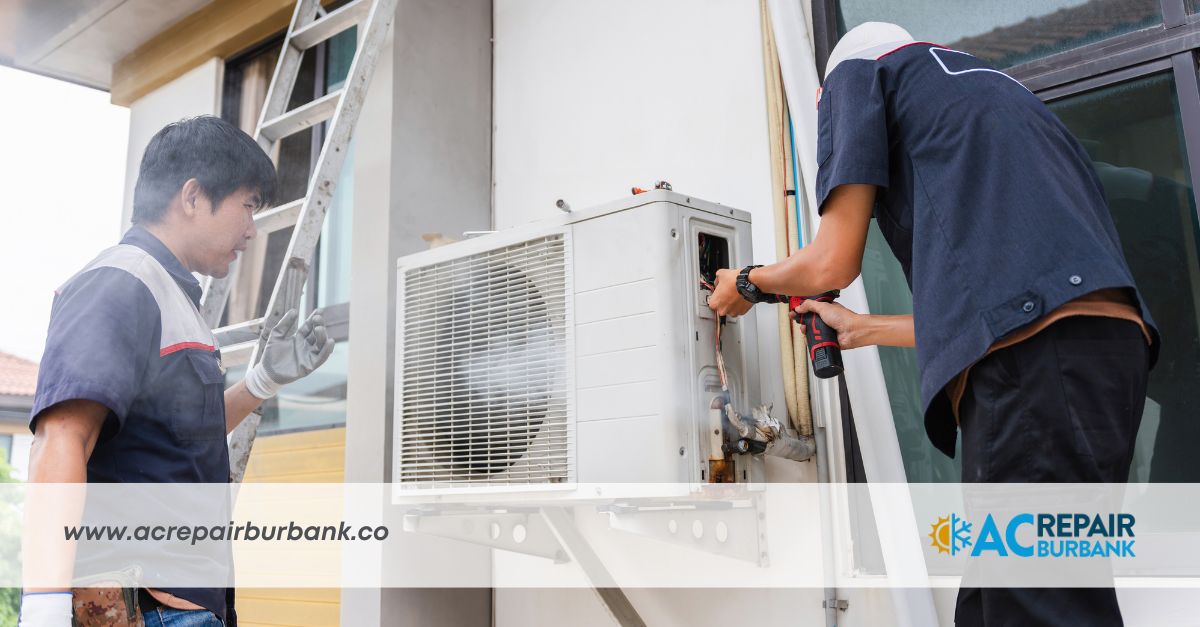
Manufacturers typically require an annual inspection by a licensed HVAC professional. A certified technician looks at components that the average homeowner cannot access or properly evaluate. This includes checking the heat exchanger for cracks, measuring airflow, testing safety controls, and ensuring the electrical components are operating within safe parameters. These professional check-ups prove that the unit was being monitored and cared for, which supports your case if a part fails later on.
Frequently Asked Questions regarding Warranties
Can I perform the required maintenance myself?
You can and should handle basic tasks like changing filters and keeping the outdoor unit free of debris. However, most warranties specify that “qualified professionals” must perform the annual inspection. Doing technical work yourself, such as adding refrigerant or electrical wiring, can actually void the warranty immediately if you are not licensed.
How often do I need to schedule maintenance to keep my warranty?
The standard recommendation is once a year for each unit. If you have a central air conditioner and a furnace, you should schedule an AC tune-up in the spring and a furnace check-up in the fall. If you have a heat pump that runs year-round, semi-annual inspections are often recommended.
Does the warranty cover the cost of labor?
This is a common misconception. Standard manufacturer warranties usually cover the cost of the parts only (e.g., the compressor, fan motor, or circuit board). They rarely cover the cost of the labor to install those parts or the refrigerant needed. However, extended labor warranties can be purchased separately through your dealer.
What if I bought a house with an existing HVAC system?
Warranties often transfer to new owners, but the timeline is strict. You usually have to notify the manufacturer of the ownership change within 30 to 60 days of closing. If the previous owner did not maintain the system, the warranty might already be void, so it is worth asking for maintenance records during the home-buying process.
Protecting Your Investment
Your HVAC system is the heart of your home’s comfort, and the warranty is its insurance policy. Don’t let a lack of paperwork or a missed appointment cost you thousands of dollars in lost coverage. Regular maintenance does more than just keep your warranty active; it lowers your energy bills, extends the life of the unit, and prevents sudden breakdowns.
No matter what the issues of your home’s HVAC system are, our experts can handle it for you. Please call AC Repair Burbank to schedule your seasonal inspection and ensure your investment stays protected.