
Unfortunately, extreme heat often leads to overworked systems, causing unexpected breakdowns right when you need relief the most. Waiting until the hottest day of the year to find out your system is failing can lead to long wait times for repairs and sweaty, sleepless nights. Taking a proactive approach is the best way to ensure your system can handle the heavy workload.
Preparing your cooling system ahead of time guarantees it will run efficiently, use less energy, and provide consistent cold air. This guide will walk you through the essential steps to get your air conditioner ready for extreme weather, saving you money and stress along the way.
Start with a Fresh Air Filter
The simplest and most effective way to prepare your cooling system is by checking the air filter. A dirty or clogged filter restricts airflow, forcing the compressor to work twice as hard to push cold air through your vents. This extra strain can cause the system to overheat and shut down entirely.
Swap out your old filter for a clean one before the high temperatures arrive. During peak summer months, make it a habit to check the filter every 30 days. If you have pets or suffer from allergies, you may need to replace it more frequently to maintain optimal indoor air quality.
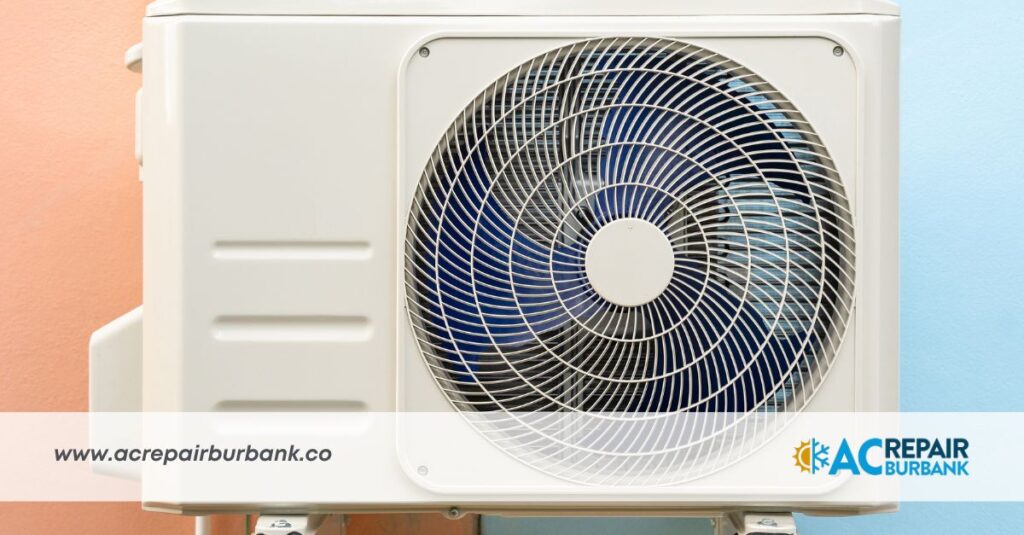
Inspect and Clean the Outdoor Unit
Your outdoor condenser unit needs plenty of breathing room to dissipate heat absorbed from inside your house. Over the cooler months, debris like leaves, twigs, and dirt can accumulate around the base and clog the delicate fins.
Take a walk outside and clear any vegetation or rubbish within a two-foot radius of the unit. Use a soft brush to gently remove dirt from the metal fins, being careful not to bend them. If the unit is heavily soiled, you can use a garden hose on a gentle setting to wash away the grime. Turn off the power to the unit at the breaker box before performing any cleaning.
Test the Thermostat
Before the heatwave begins, test your thermostat to confirm it communicates properly with the air conditioner. Turn the system on and set the temperature a few degrees lower than the current room temperature. You should hear the unit click on, and cold air should start flowing from the registers within a minute or two.
If your system struggles to reach the set temperature, you might need a recalibration. Upgrading to a programmable or smart thermostat can also help you manage cooling schedules more efficiently, ensuring you do not waste energy cooling an empty house.
Optimize Your Home’s Efficiency
Even the best air conditioner will struggle if your home leaks cold air. Inspect the weatherstripping around your doors and windows for cracks or peeling. Applying fresh caulk or weatherstripping keeps the hot air out and traps the cold air inside.
Additionally, close your blinds or curtains during the hottest parts of the day. Sunlight streaming through the glass creates a greenhouse effect, raising the indoor temperature and forcing your cooling system to run longer cycles.
Frequently Asked Questions About AC Prep
How often should I schedule professional AC maintenance?
Industry experts recommend having your cooling system serviced by a professional once a year, ideally in the spring before the heavy summer usage begins. Regular maintenance catches small issues before they turn into major malfunctions.
What is the ideal thermostat setting during a heatwave?
The Department of Energy suggests setting your thermostat to 78°F when you are at home and awake. While this might seem high, it provides a comfortable environment while significantly reducing the strain on your equipment and keeping your energy bills manageable.
Why is my AC running but not cooling the house?
This common issue can stem from several problems, including a clogged air filter, low refrigerant levels, or a dirty evaporator coil. If replacing the filter does not solve the problem, it is time to call a professional technician to diagnose and repair the system.
Stay Cool and Comfortable All Summer
Taking the time to clean your filters, clear debris, and optimize your home’s efficiency will give you peace of mind when the temperatures soar. A well-maintained system operates efficiently and provides reliable comfort for you and your family.
Sometimes, despite your best efforts, equipment fails. Are you having a problem with your air conditioning service Burbank and heating system? We’re here for you. Book an appointment with AC Repair Burbank and we’ll respond to your issues quickly. Our services are fully licensed, bonded and insured. Don’t let a heatwave get the best of you—reach out today to secure your indoor comfort.