
Opening your monthly utility bill only to see a number much higher than you expected can be a frustrating experience. You might immediately wonder what went wrong. Did you leave the lights on? Is there a problem with your meter? While many factors can contribute to a sudden spike in your energy costs, your HVAC system is often the primary culprit.
Understanding what drives up your energy consumption is the first step toward lowering your bills and making your home more efficient. This guide will explore the common reasons why your utility costs might be climbing, with a special focus on your HVAC system. We will cover everything from aging equipment and ductwork issues to simple maintenance oversights that can have a big impact on your monthly expenses. By the end, you’ll have a clearer picture of what’s happening and what you can do about it.
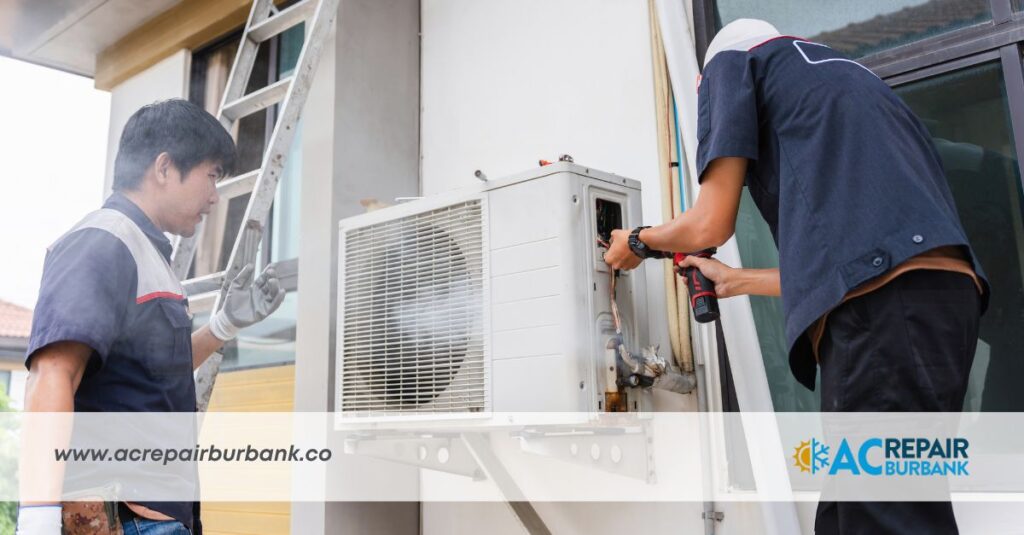
Your HVAC System is Working Overtime
Your heating, ventilation, and air conditioning (HVAC) system is one of the largest energy consumers in your home. When it’s not running efficiently, your utility bills can skyrocket. Several issues can cause your system to work harder than it needs to.
An Aging or Inefficient Unit
Like any major appliance, HVAC systems have a finite lifespan. Most last between 15 and 20 years. As your unit gets older, its efficiency naturally declines. It has to run longer and work harder to maintain the desired temperature, consuming more energy in the process. If your system is over a decade old and your bills are steadily increasing, it might be time to consider a replacement. Modern units are significantly more energy-efficient and can lead to substantial long-term savings.
Clogged Air Filters
One of the simplest yet most common reasons for high energy bills is a dirty air filter. A clogged filter restricts airflow, forcing your HVAC system to strain itself to circulate air throughout your home. This not only increases energy consumption but can also lead to premature wear and tear on the system’s components. You should check your air filters monthly and replace them at least every three months to ensure your system can breathe easily.
Thermostat Problems
Your thermostat is the brain of your HVAC system. If it’s malfunctioning, it can send incorrect signals to your heating or cooling unit. An improperly calibrated thermostat might cause the system to run continuously or turn on and off at the wrong times, wasting energy. Upgrading to a programmable or smart thermostat can also make a big difference. These devices allow you to set schedules that automatically adjust the temperature when you’re away or asleep, saving energy without sacrificing comfort.
Issues with Your Home’s Airflow
Even with a perfectly functioning HVAC unit, problems with how air moves through your home can lead to inefficiency and higher costs.
Leaky Ductwork
The ductwork is the network of channels that delivers conditioned air from your HVAC unit to the various rooms in your house. Over time, these ducts can develop leaks, cracks, or disconnections. The U.S. Department of Energy estimates that the typical home loses 20% to 30% of its conditioned air through leaky ducts. This means a significant portion of the air you’re paying to heat or cool is escaping into your attic, crawlspace, or walls instead of reaching your living spaces. Your system has to run longer to compensate, driving up your utility bills.
Blocked Vents and Registers
Proper airflow is essential for efficient heating and cooling. If vents and registers are blocked by furniture, curtains, or rugs, it disrupts the circulation of conditioned air. Your HVAC system will struggle to distribute air evenly, leading to hot or cold spots in your home and forcing the system to work harder to achieve the set temperature. Take a quick tour of your home and ensure all your vents are clear and unobstructed.
Poor Home Insulation and Air Leaks
Your home’s ability to retain conditioned air is just as important as your HVAC system’s ability to produce it. Poor insulation and air leaks force your system into a constant battle against the outside elements.
Inadequate Insulation
Insulation acts as a thermal barrier, keeping warm air inside during the winter and hot air outside during the summer. If your home has insufficient or degraded insulation, especially in the attic and walls, conditioned air will escape easily. Your HVAC system will have to run almost constantly to maintain a comfortable temperature, leading to a dramatic increase in energy use.
Air Leaks Around Windows and Doors
Small cracks and gaps around windows, doors, and other openings can be major sources of energy loss. These drafts allow unconditioned air to enter your home and conditioned air to escape. This process, known as air infiltration, makes it much harder for your HVAC system to do its job. Sealing these leaks with caulk or weatherstripping is a simple, cost-effective way to reduce your energy consumption and improve comfort.
Find the Source of Your High Bills
If you’ve checked for obvious issues and your utility bills are still unusually high, it may be time for a professional inspection. Hidden problems within your heating system often require an expert eye to diagnose and repair correctly.
At AC Repair Burbank, our experienced and reliable technicians can thoroughly examine your home’s heating system to identify any underlying issues. From inspecting ductwork for hidden leaks to ensuring your furnace is operating at peak efficiency, we provide comprehensive services to help you get your energy costs back under control. Don’t let a faulty HVAC system drain your wallet—let our team find the solution.