
The first heatwave of the year has a way of exposing problems you didn’t know existed. One day it’s mild and comfortable, the next you’re sweating through your shirt wondering why your AC is blowing warm air—or worse, not turning on at all. This is often the moment homeowners realize they should have scheduled an AC service earlier in the season.
Getting your air conditioning system checked before temperatures spike isn’t just about comfort. It’s about avoiding emergency repair costs, sleepless nights, and the frustration of waiting days for a technician during peak season when every HVAC company in town is slammed with calls.
The good news? Your AC usually gives you plenty of warning signs before it completely gives out. Here’s how to spot them early—and what to do before the heat arrives.

Why Timing Your AC Service Matters
Most people only think about their air conditioner when they need it. By then, it’s often too late to schedule a routine service appointment without waiting in a long queue.
HVAC technicians get overwhelmed with service calls once temperatures climb. Booking early—ideally in spring—means faster turnaround times, lower priority fees, and the peace of mind that your system is ready when you need it most. A simple AC service check can catch minor issues before they become expensive repairs.
7 Signs Your AC Needs Service Now
1. Warm or Weak Airflow
Turn your AC on and hold your hand near a vent. If the air coming out feels warm, or the airflow seems weaker than usual, something’s off. This could point to a refrigerant leak, a failing compressor, or a clogged air filter restricting airflow through the system.
Weak airflow is one of the most common complaints homeowners overlook because it tends to develop gradually. You might not notice it until the system is already struggling to keep up on a hot day.
2. Strange Noises During Operation
A well-functioning AC runs quietly in the background. Rattling, banging, hissing, or grinding sounds during startup or operation are red flags.
- Rattling or banging often points to loose components or debris inside the unit
- Hissing can indicate a refrigerant leak
- Grinding may mean the motor bearings are wearing out
- Clicking at startup could signal an electrical issue
Don’t ignore unusual sounds hoping they’ll go away. They rarely do—and the underlying problem usually gets worse the longer it runs.
3. Uneven Cooling Throughout Your Home
If some rooms feel cool while others stay stuffy and warm, your system may be struggling to distribute air evenly. This can stem from duct leaks, a failing blower motor, or even blocked vents. It’s worth noting whether the issue affects the whole house or just specific areas, as this helps a technician narrow down the cause quickly.
4. Higher-Than-Usual Energy Bills
A spike in your electricity bill—without a clear change in usage habits—often means your AC is working harder than it should to maintain the same temperature. Dirty coils, low refrigerant, and aging components all reduce efficiency, forcing the system to run longer cycles and draw more power.
Pull up last year’s summer bills and compare them to recent months. A consistent upward trend is a strong sign the system needs attention.
5. Moisture or Water Leaks Around the Unit
Some condensation around an AC unit is normal. Pooling water or moisture buildup inside your home is not.
A blocked condensate drain line is the most common culprit—it causes water to back up and overflow. Left unaddressed, this can lead to mold growth, water damage, and further damage to the unit itself. If you notice wet patches near your indoor unit, get it checked promptly.
6. Foul or Musty Smells
A musty odor when you first turn on your AC is often a sign of mold or mildew inside the unit or ductwork. This isn’t just unpleasant—it can affect indoor air quality and trigger allergies or respiratory issues for people in your home.
A burning smell, on the other hand, is more urgent. It could indicate overheating electrical components and warrants immediate attention.
7. The System Is Cycling Too Frequently
Short cycling—where your AC turns on and off repeatedly without completing a full cooling cycle—puts enormous strain on the compressor. Over time, this accelerates wear and can lead to premature system failure.
Common causes include a malfunctioning thermostat, an oversized unit, or low refrigerant levels. If your system seems to be constantly switching on and off, it’s worth having a technician take a look before it leads to a bigger repair bill.
What a Pre-Season AC Service Actually Includes
Scheduling a service appointment before the heatwave hits is one of the smartest home maintenance moves you can make. A standard tune-up typically covers:
- Cleaning or replacing air filters
- Inspecting and cleaning evaporator and condenser coils
- Checking refrigerant levels and testing for leaks
- Inspecting electrical connections and components
- Lubricating moving parts
- Testing thermostat calibration and accuracy
- Clearing the condensate drain line
- Checking overall system performance
This kind of comprehensive check takes an hour or two and can extend the life of your system significantly.
Don’t Forget Your Other HVAC Equipment
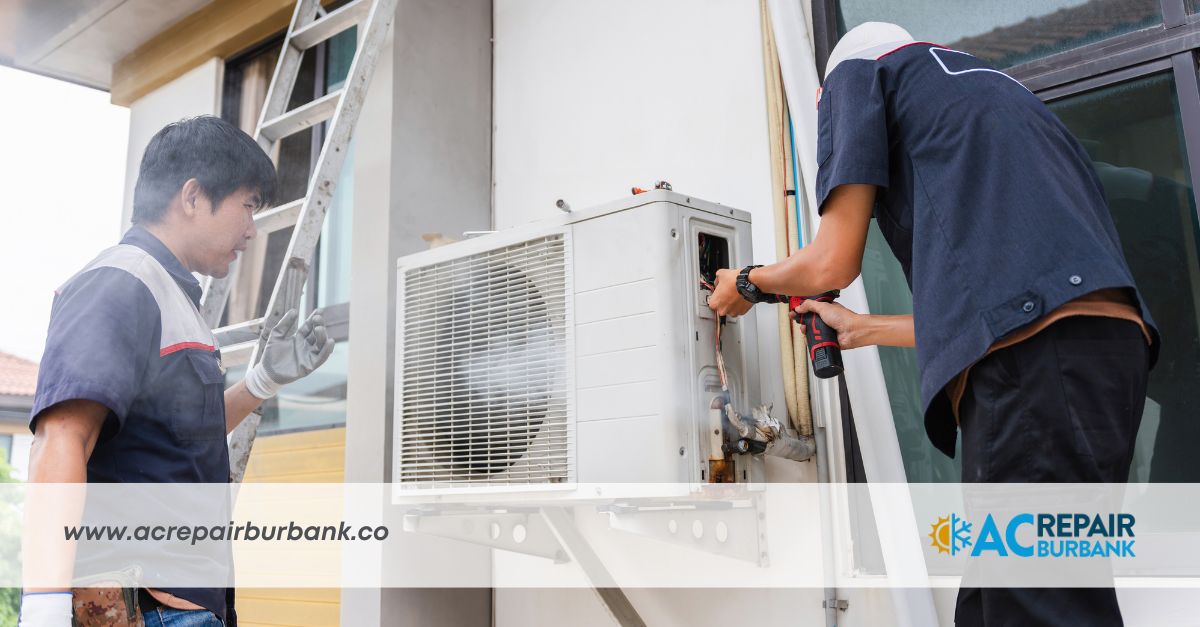
Air conditioners aren’t the only equipment that benefits from pre-season attention. Heat pumps, mini-split systems, and air handlers all have components that wear over time and perform better with regular maintenance. Even boilers and heaters that have been sitting dormant since winter can develop issues that go unnoticed until they’re needed again.
A full HVAC inspection—covering all your heating and cooling equipment—gives you complete confidence going into the warmer months.
How Long Do AC Units Typically Last?
Most central air conditioning units have a lifespan of 15 to 20 years with proper maintenance. If your system is approaching that age range and requires frequent repairs, it may be more cost-effective to replace it rather than continue servicing it.
A technician can help you evaluate whether the cost of repairs makes sense relative to the age and condition of your equipment. As a general rule, if a repair costs more than half the price of a new system and your unit is over 10 years old, replacement is worth serious consideration.
Frequently Asked Questions
How often should I service my AC?
Once a year is the standard recommendation for most residential AC systems. Scheduling this in spring—before the cooling season begins—ensures the system is in peak condition when you need it most.
Can I do any AC maintenance myself?
Yes. Replacing or cleaning your air filter every 1–3 months is something most homeowners can handle on their own. Keeping the outdoor unit clear of debris, leaves, and overgrown vegetation also helps. For anything beyond basic filter changes, it’s best to call a licensed technician.
What should I do if my AC stops working during a heatwave?
Check the thermostat settings and make sure the circuit breaker hasn’t tripped. If those are fine and the system still isn’t functioning, call an HVAC technician as soon as possible. Avoid running a malfunctioning system repeatedly, as this can cause additional damage.
Is it worth repairing an older AC unit?
It depends on the age of the unit and the cost of the repair. Systems under 10 years old are generally worth repairing. For older units, weigh the repair cost against the efficiency gains and reliability of a newer model.
Get Ahead of the Heat
Waiting until your AC fails on the hottest day of the year is a scenario worth avoiding. A quick pre-season inspection takes less time than you’d expect and costs far less than an emergency repair.
If you’ve noticed any of the warning signs above—or your system simply hasn’t been serviced in a while—now is the right time to act. At AC Repair Burbank, we service all brands and types of HVAC equipment, from central air conditioning units and mini-splits to heat pumps, air handlers, and boilers. Our team will get your system running efficiently before the first heatwave rolls through.
Book your pre-season AC service today and head into summer with one less thing to worry about.
